
Organic and Ayurveda
Here are some key characteristics and principles of organic plants and foods:
- No synthetic chemicals: Organic farming relies on natural inputs such as compost, manure, and organic fertilizers instead of synthetic chemical fertilizers. It also avoids the use of synthetic pesticides, herbicides, and fungicides.
- Soil fertility and biodiversity: Organic farming aims to maintain and improve soil health and fertility through practices like crop rotation, cover cropping, and the use of natural soil amendments. It promotes the preservation of biodiversity by avoiding the use of GMOs and synthetic substances harmful to beneficial organisms.
- No genetically modified organisms (GMOs): Organic farming prohibits the use of genetically modified seeds or organisms. Organic crops are grown from non-GMO seeds and are not genetically modified in any way.
- Animal welfare: Organic livestock farming emphasizes the ethical treatment of animals. It requires providing animals with access to the outdoors, pasture grazing, and a balanced diet that is free from synthetic hormones and antibiotics. Animals are raised in a way that promotes their natural behaviors and minimizes stress.
- Environmental sustainability: Organic farming practices strive to minimize environmental impacts by promoting ecological balance and resource conservation. This includes reducing water usage, preventing soil erosion, and protecting air and water quality.
- Certification: Organic farms and food processors undergo a certification process to ensure compliance with organic standards. Independent organizations or regulatory bodies assess and certify these operations, verifying that they meet the required organic criteria.
Consuming organic plants and foods is often associated with several potential benefits. These include reduced exposure to synthetic pesticides and chemical residues, increased nutrient content, improved taste, and support for sustainable agriculture practices.
When purchasing organic products, look for the “USDA Organic” label (in the United States) or equivalent organic certification symbols in your country to ensure their organic integrity.
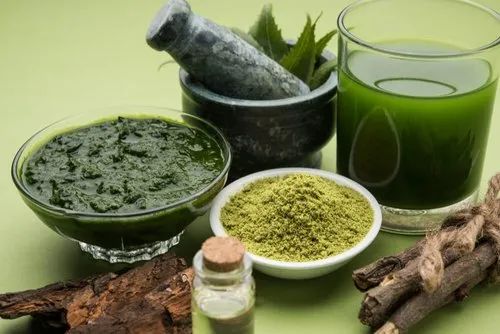
Benefits of Organic Plants and Foods:
1. Reduced exposure to chemicals: Organic foods are grown without synthetic pesticides and fertilizers, which can minimize the consumer’s exposure to potentially harmful chemicals.
2. Environmental sustainability: Organic farming practices aim to promote biodiversity, conserve natural resources, and minimize pollution. By avoiding synthetic inputs and focusing on ecological balance, organic agriculture contributes to environmental sustainability.
3. Nutritional quality: Some studies suggest that organic foods may have higher levels of certain nutrients and antioxidants compared to conventionally grown counterparts. However, more research is needed to fully understand the nutritional differences.
4. Support for local economies: Organic farming often emphasizes local and small-scale production, supporting local farmers and communities.
It’s important to note that while organic farming practices align with these principles, organic certification does not guarantee absolute health benefits or superior quality. Consumers have different preferences and priorities when it comes to their food choices, and it’s essential to make informed decisions based on personal needs and available information.
Organic plants and foods refer to agricultural products that are grown and produced using organic farming methods. These methods emphasize the use of natural inputs and sustainable practices while avoiding the use of synthetic chemicals, pesticides, genetically modified organisms (GMOs), and irradiation.
how organic plants use in personal care product
Organic plants can be used in personal care products in various ways, including as ingredients, extracts, or essential oils. Here are some common ways organic plants are utilized in personal care products:
- Plant-based ingredients: Organic plants are often used as a source of natural and organic ingredients in personal care products. For example, organic plant oils such as jojoba oil, coconut oil, and olive oil are commonly used in skincare products for their moisturizing and nourishing properties. Organic plant extracts, such as aloe vera extract or green tea extract, are also popular ingredients known for their soothing and antioxidant benefits.
- Herbal infusions: Organic plants can be infused into oils or water to create herbal infusions. These infusions are then incorporated into personal care products like lotions, creams, or shampoos. For instance, chamomile flowers or lavender buds can be infused in oil and used in skincare products to provide calming or soothing effects.
- Essential oils: Organic plants are a valuable source of essential oils, which are highly concentrated aromatic compounds extracted from plants. Essential oils are commonly used in personal care products for their fragrance and potential therapeutic properties. Examples include organic lavender essential oil for relaxation, organic tea tree oil for its antimicrobial properties, or organic rosemary essential oil for stimulating the scalp in hair care products.
- Hydrosols: Hydrosols, also known as floral waters, are produced during the distillation of plants to obtain essential oils. These gentle aromatic waters can be used in personal care products as a natural alternative to synthetic fragrances or as a refreshing facial mist. Organic rose water or organic witch hazel hydrosol are examples commonly used in skincare products.
- Herbal powders: Organic plants can be dried and ground into fine powders, which are then used in various personal care products. For instance, organic oatmeal powder is often used in facial cleansers or masks for its soothing and exfoliating properties. Organic herbal powders like neem powder or turmeric powder can be found in natural toothpaste formulations for their oral health benefits.
When choosing personal care products that claim to contain organic plants, it’s important to look for reputable certifications or labels, such as USDA Organic, COSMOS Organic, or EcoCert, to ensure the authenticity and organic integrity of the ingredients used.
Benefits of Ayurveda
Ayurveda offers several potential benefits for individuals who follow its principles and practices. Here are some of the commonly cited benefits of Ayurveda:
- Holistic approach: Ayurveda takes a holistic approach to health, considering the interconnectedness of the body, mind, and spirit. It focuses on achieving overall well-being rather than just addressing specific symptoms or diseases.
- Individualized treatment: Ayurveda recognizes that each person is unique and tailors treatment and lifestyle recommendations according to an individual’s constitution or dosha. This personalized approach aims to restore balance and promote optimal health for each person.
- Prevention and wellness: Ayurveda emphasizes preventive measures to maintain good health. By adopting a balanced lifestyle, following proper dietary guidelines, and practicing self-care routines, Ayurveda aims to prevent illness and promote wellness.
- Natural remedies: Ayurveda employs natural remedies derived from herbs, plants, minerals, and other natural substances. These remedies are often believed to be gentle and have fewer side effects compared to synthetic drugs.
- Stress reduction: Ayurveda recognizes the impact of stress on health and offers various techniques to manage and reduce stress. Practices like meditation, yoga, breathing exercises, and specific herbs help calm the mind, promote relaxation, and enhance overall well-being.
- Detoxification and rejuvenation: Ayurveda emphasizes the importance of removing toxins from the body and rejuvenating the tissues. Techniques like Panchakarma, a set of detoxification therapies, aim to eliminate accumulated toxins and restore balance.
- Promotes healthy digestion: Ayurveda places great importance on digestion and believes that a healthy digestive system is crucial for overall health. Ayurvedic practices such as mindful eating, specific dietary guidelines, and the use of herbs and spices can help improve digestion and nutrient absorption.
- Mind-body balance: Ayurveda recognizes the intricate connection between the mind and body. It offers practices to balance emotions, calm the mind, and promote mental well-being, contributing to overall health.
- Enhances self-awareness: Ayurveda encourages individuals to become more self-aware and in tune with their bodies. It emphasizes the importance of understanding one’s own constitution, recognizing imbalances, and making conscious choices to promote health and well-being.
It’s important to note that while Ayurveda has been practiced for centuries and offers potential benefits, scientific research on its efficacy is limited for some aspects. It’s advisable to consult qualified Ayurvedic practitioners and integrate Ayurvedic practices alongside conventional medical care for the best outcomes.
Ayurvedic & Medicinal Plants detail

- Ashwagandha (Withania somnifera): Ashwagandha is known for its adaptogenic properties, helping the body adapt to stress. It is used to reduce anxiety, boost energy, improve cognitive function, and enhance overall vitality.
2. Tulsi (Ocimum sanctum): Tulsi, also known as Holy Basil, is revered in Ayurveda for its medicinal properties. It is used to support respiratory health, alleviate cough and cold symptoms, improve digestion, reduce stress, and boost immunity.

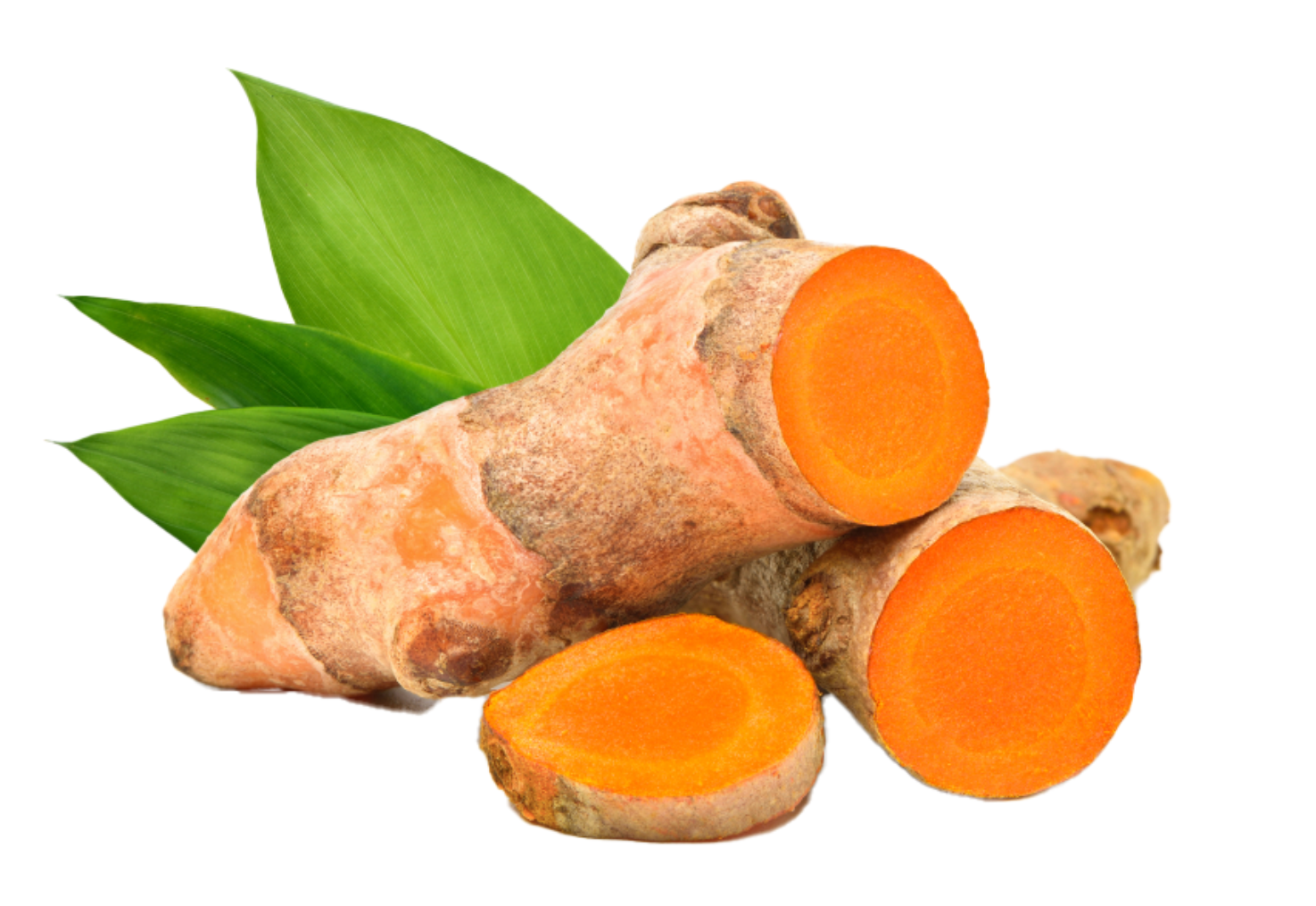
3. Turmeric (Curcuma longa): Turmeric contains the active compound curcumin, which has potent anti-inflammatory and antioxidant properties. It is used to support joint health, reduce inflammation, aid digestion, promote skin health, and support overall well-being.
4. Neem (Azadirachta indica): Neem is known for its antimicrobial and detoxifying properties. It is used in Ayurveda for various skin conditions, oral health, immune support, and promoting a healthy complexion.

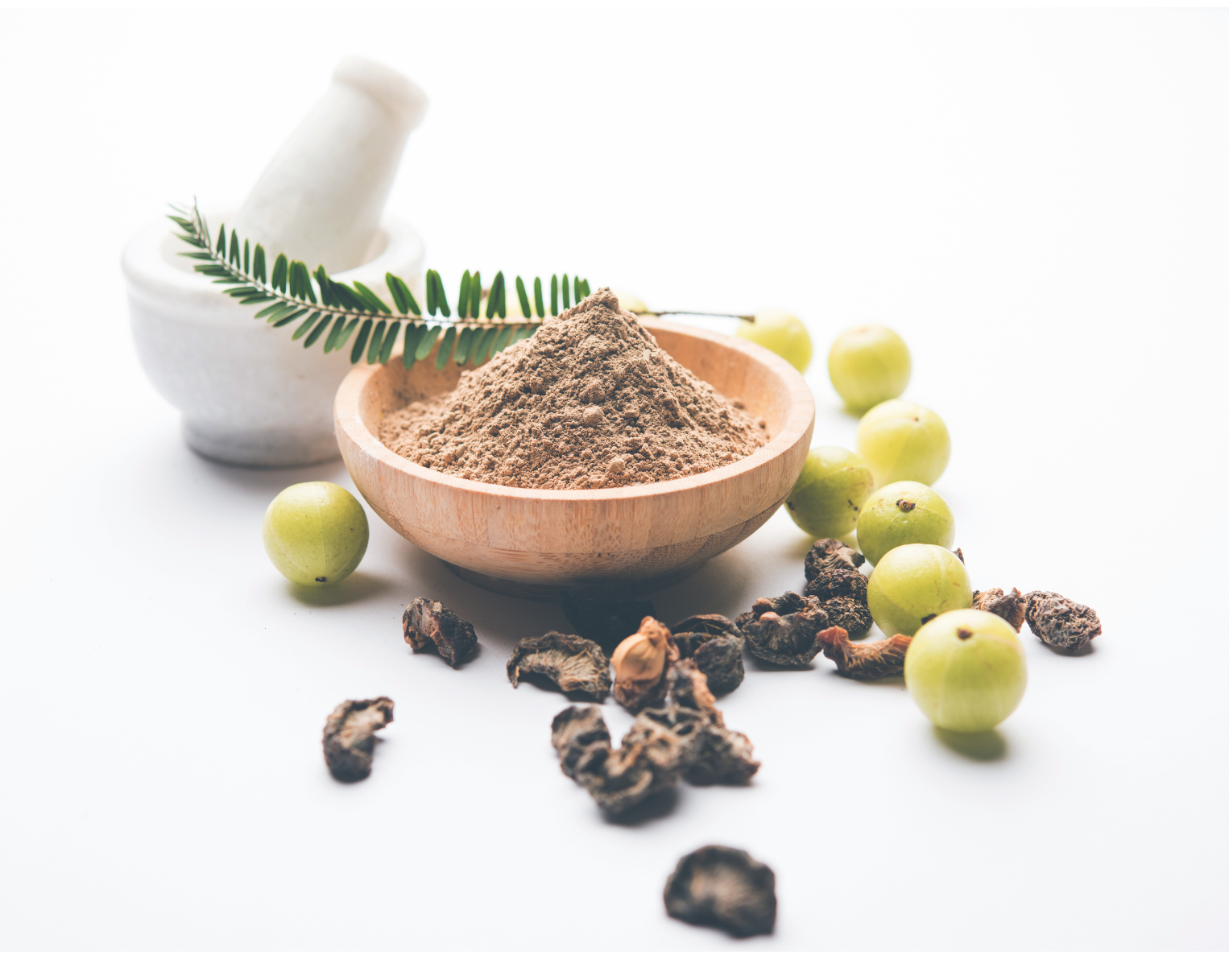
5. Amla (Emblica officinalis): Amla, also called Indian Gooseberry, is a rich source of vitamin C and antioxidants. It is used to boost immunity, support digestion, promote healthy hair and skin, and enhance overall vitality.
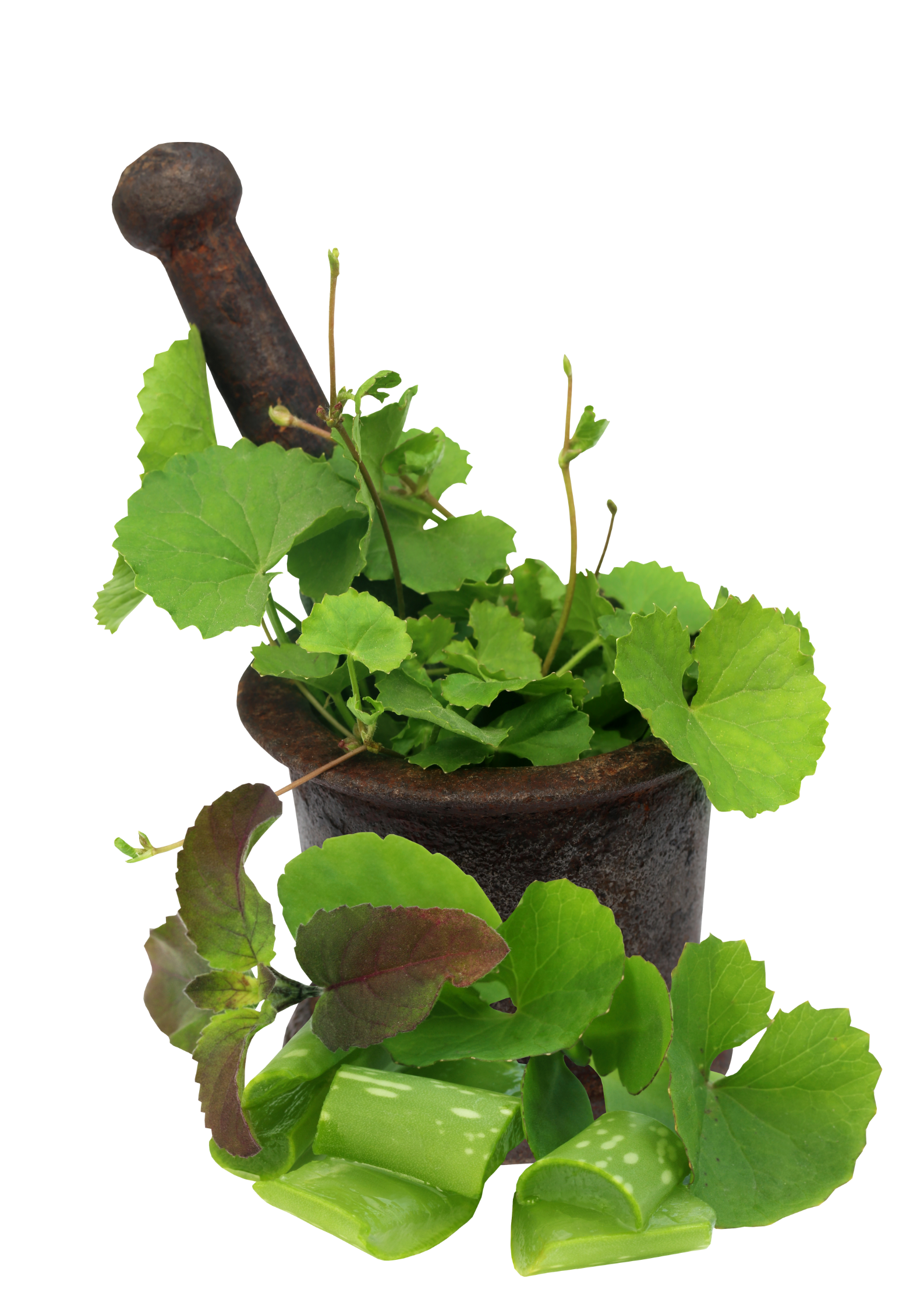
6. Brahmi (Bacopa monnieri): Brahmi is known for its cognitive-enhancing properties and is often used to improve memory, concentration, and overall brain function. It is also used to reduce anxiety and stress.
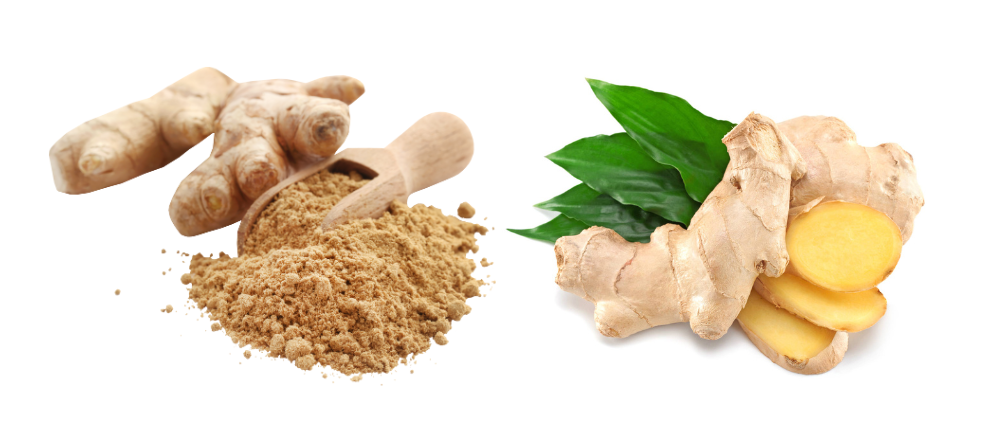
8.Ginger (Zingiber officinale): Ginger is widely used for its digestive properties and is beneficial for relieving indigestion, nausea, and gastrointestinal discomfort. It also has anti-inflammatory and antioxidant effects.

9.Cumin (Cuminum cyminum): Cumin seeds are commonly used as a spice and have digestive properties. They are used to alleviate digestive issues such as bloating, flatulence, and abdominal pain.
10 Holy Basil (Ocimum tenuiflorum): Holy Basil, also known as Krishna Tulsi, is used in Ayurveda for its stress-relieving properties, promoting mental clarity, and supporting respiratory health.
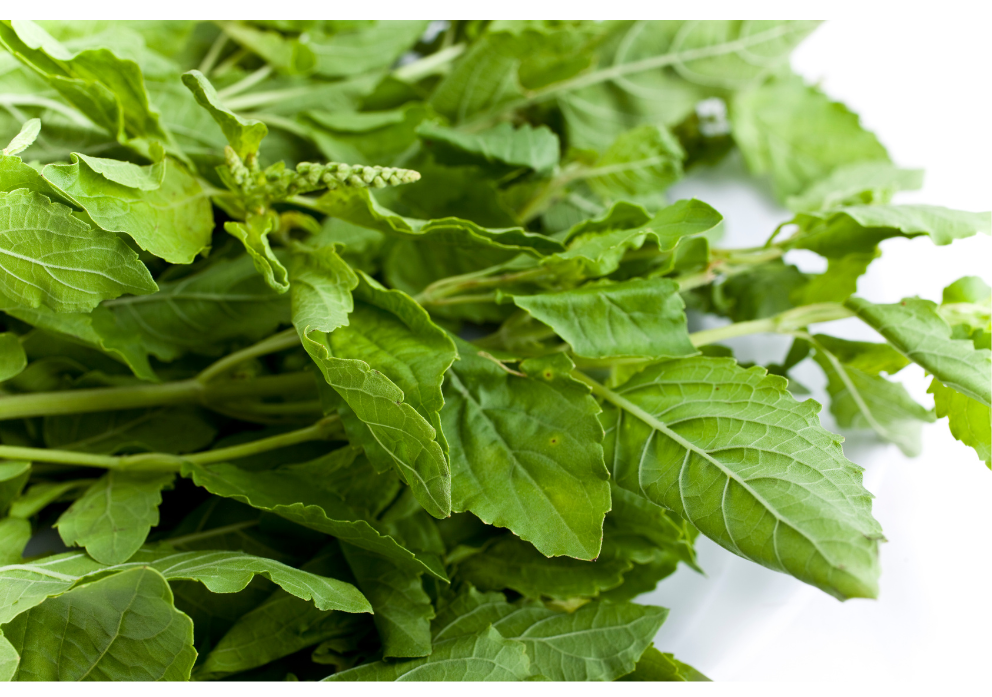

11.Guduchi (Tinospora cordifolia): Guduchi is known for its immunomodulatory properties and is used to boost the immune system, support liver health, and promote overall vitality.
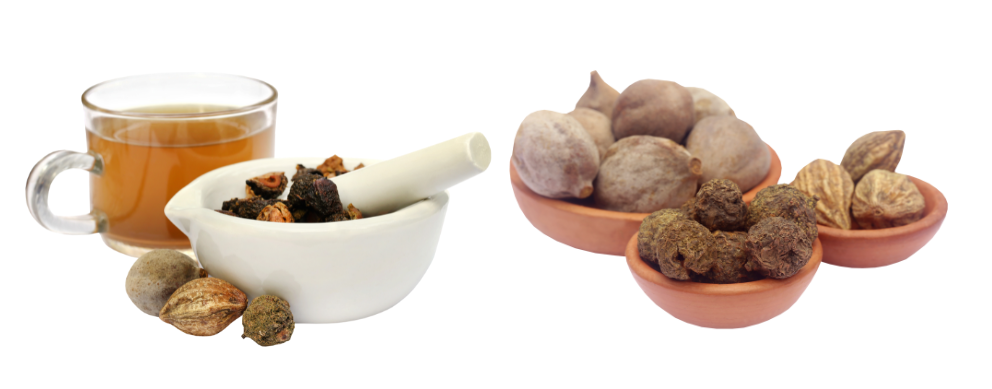
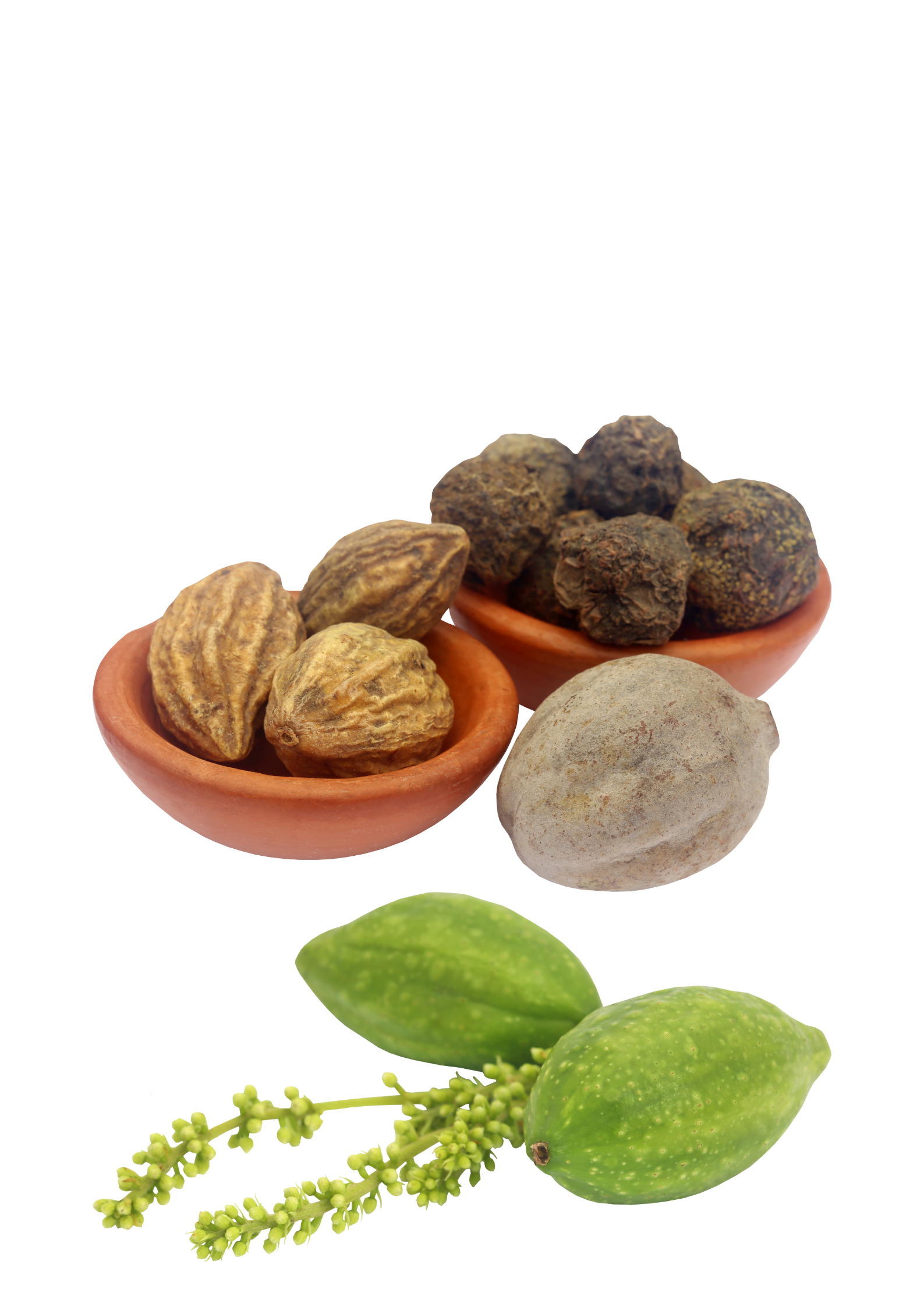
12. Haritaki (Terminalia chebula): Haritaki is known for its digestive properties and is used to support healthy digestion, detoxification, and elimination. It is also believed to have rejuvenating effects on the body.
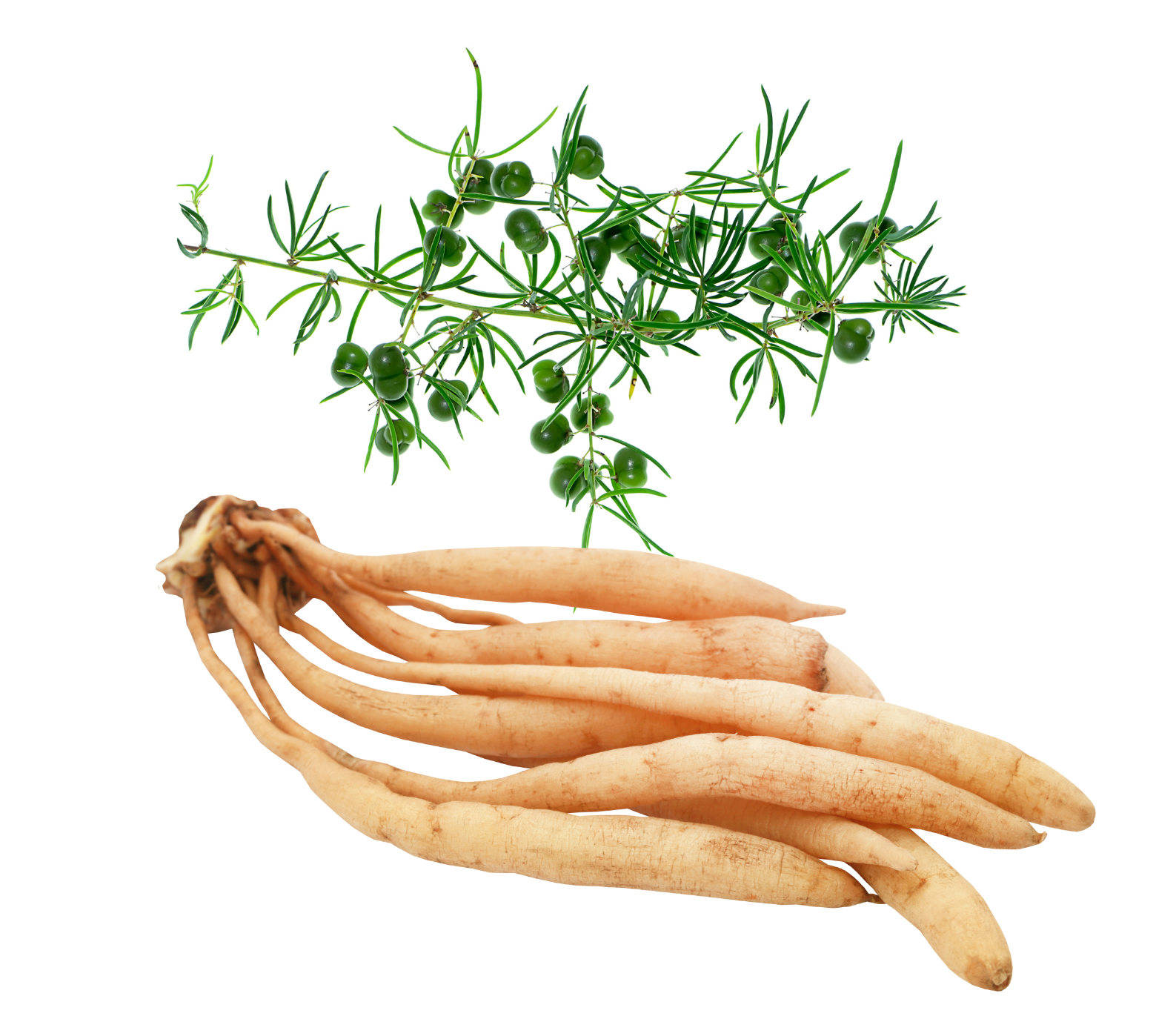
13. Shatavari (Asparagus racemosus): Shatavari is considered a rejuvenating herb, particularly for women’s health. It is used to support hormonal balance, promote reproductive health, and alleviate symptoms of menopause.
These are just a few examples of Ayurvedic and medicinal plants used in traditional Ayurvedic practices. It’s important to note that the use of these plants should be done under the guidance of a qualified Ayurvedic practitioner or healthcare professional to ensure proper dosage, usage, and safety, especially if you have any underlying health conditions or are taking other medications.
Ayurveda utilizes various medicinal plants and herbs as a central component of its practices. These plants are believed to possess therapeutic properties and are used in different forms such as powders, decoctions, oils, and pastes. Here are some commonly used Ayurvedic and medicinal plants
How Ayurveda help in making personal care products
Ayurveda, a traditional system of medicine originating in India, can be applied to the creation of personal care products. Ayurveda principles emphasize the use of natural ingredients and holistic approaches to promote overall well-being. Here’s how Ayurveda can help in making personal care products:
- Natural Ingredients: Ayurveda encourages the use of natural substances such as herbs, plants, and minerals in personal care products. These ingredients are believed to have therapeutic properties and are often chosen based on their specific effects on different skin types or conditions.
- Dosha-Specific Formulations: According to Ayurveda, individuals possess unique constitutions known as doshas (Vata, Pitta, and Kapha). Ayurvedic formulations take into account the dominant dosha of an individual and aim to restore balance. Personal care products can be customized to address specific dosha imbalances and promote harmony within the body and skin.
- Herbal Extracts and Oils: Ayurveda utilizes various herbal extracts and oils that are considered beneficial for the skin and hair. For example, neem, aloe vera, turmeric, and sandalwood are commonly used in Ayurvedic personal care products due to their antibacterial, soothing, and rejuvenating properties.
- Mind-Body Connection: Ayurveda recognizes the interconnectedness of the mind, body, and spirit. Personal care products inspired by Ayurveda often incorporate aromatherapy to promote relaxation and stress relief. Essential oils like lavender, rose, and jasmine are used to provide a holistic experience and enhance overall well-being.
- Personalized Care: Ayurveda emphasizes the importance of individualized care. In the context of personal care products, this means considering a person’s unique skin type, dosha imbalance, and specific concerns. Ayurvedic formulations can be tailored to meet the diverse needs of different individuals, offering a more personalized approach to self-care.
It’s worth noting that while Ayurveda has a long history of traditional use, scientific evidence supporting its efficacy in personal care products is limited. It’s essential to exercise caution, conduct thorough research, and consult with professionals before incorporating Ayurvedic practices or products into your personal care routine.
